As we move through midsummer 2025, there are growing signs that Central Virginia, including the Richmond MSA, may soon shift from a long-standing seller's market toward a more balanced or even buyer

Dated: September 3 2023
Views: 1400
In the dynamic and ever-changing world of real estate, infill lots have emerged as a focal point of discussion, particularly in urban environments. As cities continue to grow and the demand for housing skyrockets, infill development is increasingly seen as a sustainable and efficient alternative to traditional suburban sprawl. However, before you make the leap and invest in an infill lot for your next residential project, it's crucial to understand the various aspects that come with it. This comprehensive guide aims to demystify what an infill lot is, explore the reasons behind their existence, and weigh the pros and cons of building a home on one.
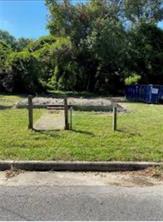
An infill lot is essentially a vacant parcel of land that is situated within an area that has already been developed, most commonly in urban settings. Unlike new developments that push the boundaries of a city further into rural areas, infill development aims to make the most of existing urban spaces. These lots are often found nestled between existing residential or commercial buildings, providing a unique opportunity for residential infill in areas where space is at a premium.
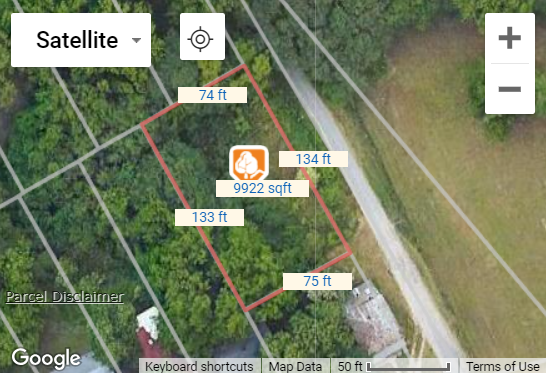
The existence of infill lots can be attributed to a variety of factors, including historical zoning changes, economic fluctuations, or previous developments that left certain parcels of land unused. These lots present cities with an opportunity to revitalize older neighborhoods and make more efficient use of existing infrastructure, such as roads, schools, and utilities. In the context of sustainable development, urban infill is often viewed as a more responsible approach, as it minimizes the need for expanding into undeveloped land and consuming additional natural resources.
Click here to view available listings and envision your dream home today!
One of the most compelling advantages of infill housing is its contribution to sustainability. By making use of existing urban infrastructure, you not only minimize the environmental impact but also contribute to a more sustainable form of urban living. This is particularly important in an era where environmental consciousness is not just a trend but a necessity.
Another significant benefit is the convenience that comes with infill lots. These lots are typically located in well-established neighborhoods, which means you're likely to have easy access to essential amenities like schools, shopping centers, and public transportation. This can significantly enhance your quality of life and reduce the need for long commutes.
Homes built on infill lots often enjoy higher property values due to their prime locations. Being in an established neighborhood with easy access to amenities can make your property more attractive to potential buyers, making it a lucrative long-term investment in the real estate market.
The most glaring drawback of infill lots is the limited space available for development. Due to their location in already developed areas, you may find yourself having to make compromises on the size of your home, yard, or other amenities you had envisioned.
Infill lots often come with a host of zoning restrictions and building codes that can severely limit your creative freedom. It's essential to consult with local planning authorities and thoroughly understand the limitations before you invest in an infill lot.
While the initial cost of the lot may seem attractive, the additional expenses associated with adapting to existing infrastructure, as well as meeting zoning and building requirements, can quickly add up. These hidden costs can make infill development more expensive than it initially appears.
Browse our curated list of available infill lots to see if one catches your eye. Click here!
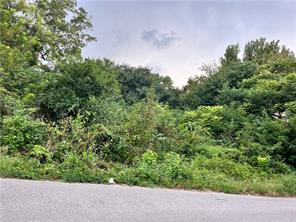
Deciding to invest in an infill lot is not a decision to be taken lightly. It requires thorough research, a clear understanding of your long-term residential development goals, and a willingness to navigate potential zoning and spatial challenges. If you prioritize sustainability, convenience, and are open to tackling the complexities of urban development, an infill lot can be an excellent investment opportunity.
Infill lots present a unique and increasingly popular avenue for residential development in urban settings. While they come with their own set of challenges and limitations, the benefits often outweigh the drawbacks. The key to a successful infill development lies in thorough research, understanding local zoning laws, and aligning the project with your long-term real estate investment goals. Consulting with real estate professionals and local authorities can provide invaluable insights into whether an infill lot is the right choice for you.
Don't let the complexities of infill development hold you back. If you're serious about investing in an infill lot and contributing to sustainable urban growth, now is the time to act. Contact our team today for tailored assistance and embark on the initial phase of turning your dream home or infill investment into a reality. Happy building!

I'm a Realtor with a passion for helping people find their perfect home. I specialize in helping first-time buyers, relocations, and those looking to invest in residential properties. I strive to make....
As we move through midsummer 2025, there are growing signs that Central Virginia, including the Richmond MSA, may soon shift from a long-standing seller's market toward a more balanced or even buyer
Are you a Richmond, Henrico, or Chesterfield resident dreaming of homeownership but feeling priced out of the market? The Maggie Walker Community Land Trust (MWCLT) might be the game-changer you've
Are you searching for a home that blends modern craftsmanship with timeless charm? Look no further than Sadler Square, a vibrant new community by Miller & Smith, bringing 60 years of award
As we enter 2025, Virginia's rental market is heating up. Recent forecasts predict that Virginia will see the third-highest rent increases in the U.S. this year. This news may be concerning for
 All or a portion of the multiple listing information is provided by the Central Virginia Regional Multiple Listing Service, LLC, from a copyrighted compilation of listings. All CVR MLS information provided is deemed reliable but is not guaranteed accurate. The compilation of listings and each individual listing are ©2026 Central Virginia Regional Multiple Listing Service, LLC. All rights reserved.
All MLS listings are © 2026 Central Virginia Regional Multiple Listing Service, LLC. All
rights reserved. No one may copy and/or repost these MLS listings, or any portion thereof, without the written permission of an authorized officer of the Central Virginia Regional Multiple Listing Service, LLC.
All listings with the CVRMLS logo are provided courtesy of the IDX program.
Last Updated: September 22, 2026 1:13 AM UTC
Show More...
All or a portion of the multiple listing information is provided by the Central Virginia Regional Multiple Listing Service, LLC, from a copyrighted compilation of listings. All CVR MLS information provided is deemed reliable but is not guaranteed accurate. The compilation of listings and each individual listing are ©2026 Central Virginia Regional Multiple Listing Service, LLC. All rights reserved.
All MLS listings are © 2026 Central Virginia Regional Multiple Listing Service, LLC. All
rights reserved. No one may copy and/or repost these MLS listings, or any portion thereof, without the written permission of an authorized officer of the Central Virginia Regional Multiple Listing Service, LLC.
All listings with the CVRMLS logo are provided courtesy of the IDX program.
Last Updated: September 22, 2026 1:13 AM UTC
Show More...
